
Updated on: February 20, 2026
High-performance electric scooters have revolutionized urban mobility by offering a fast, eco-friendly alternative to traditional transportation methods. This comprehensive guide explores the essential features, benefits, and considerations for selecting the ideal model for your commuting needs. Discover how modern electric scooter technology delivers reliability, speed, and sustainability in one powerful package. Whether you are a daily commuter or weekend enthusiast, understanding the key specifications and advantages will help you make an informed purchase decision.
Table of Contents
- Understanding High-Performance Electric Scooters
- Key Features and Technical Specifications
- Benefits and Reasons to Choose Electric Scooters
- Safety and Maintenance Considerations
- Frequently Asked Questions
- Final Thoughts and Recommendations
- About the Author
Understanding High-Performance Electric Scooters
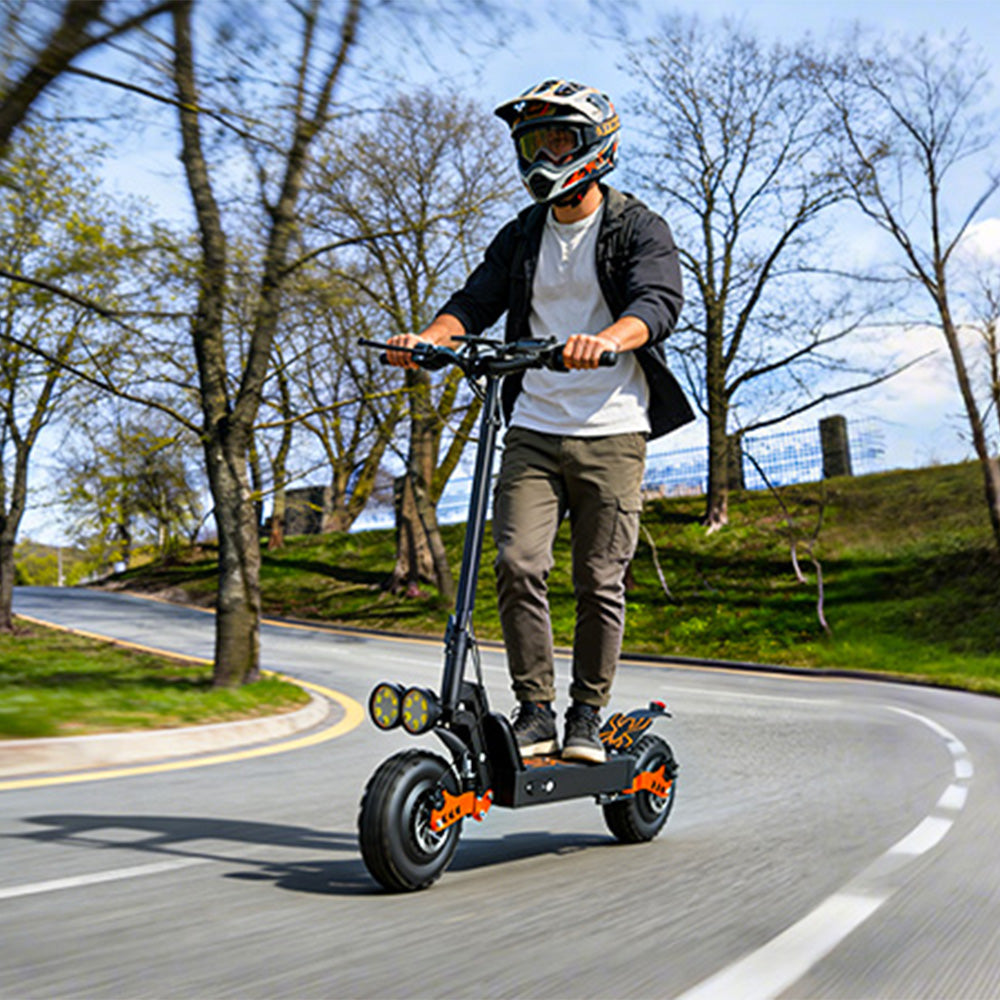
High-performance electric scooters represent a significant advancement in micro-mobility solutions for urban environments. These innovative devices combine lightweight construction with powerful electric motors to deliver exceptional speed and acceleration. Unlike conventional kick scooters that rely on physical force, electric-powered models employ rechargeable batteries and sophisticated motor systems to propel riders efficiently across city streets and pathways.
The market for premium electric scooters has expanded dramatically over the past five years, with manufacturers investing heavily in research and development to improve performance metrics. Modern designs prioritize user experience through ergonomic handles, responsive braking systems, and durable frames capable of withstanding daily wear and tear. These vehicles have become particularly popular among professionals and students seeking time-efficient transportation solutions that reduce dependence on automobiles and public transit systems.
Performance-grade electric scooters typically feature dual motors, extended battery capacity, and reinforced suspension systems that distinguish them from entry-level alternatives. The engineering behind these machines reflects decades of innovation in electric vehicle technology, adapted specifically for personal transportation. Understanding the fundamental components and capabilities of these devices enables potential buyers to evaluate which models align with their specific commuting requirements and lifestyle preferences. Buyers who are still comparing scooter categories should begin with the broader electric scooter buying guide.
Key Features and Technical Specifications
When evaluating performance-oriented electric scooters, several critical technical specifications warrant careful consideration. Motor power, measured in watts, directly influences acceleration capability and hill-climbing capacity. Devices equipped with dual motors typically deliver between one thousand and five thousand watts, enabling rapid speed achievement and superior handling on inclined surfaces. Battery capacity, expressed in watt-hours, determines the maximum distance a scooter can travel on a single charge, with premium models offering ranges exceeding forty miles. Use the electric scooter range guide to translate claimed mileage into a realistic figure at higher speeds.

Electric motor components and battery systems powering modern urban mobility devices
Tire construction represents another crucial factor affecting ride quality and durability. Pneumatic tires, filled with air similar to bicycle tires, provide superior shock absorption and traction characteristics but require periodic maintenance. Solid-state tires eliminate puncture risks and maintenance requirements, though they may transmit more vibration to riders. The size of wheels, typically ranging from eight to ten inches in diameter, influences stability and the ability to navigate obstacles encountered during urban commuting.
Braking systems on high-performance models employ multiple technologies for maximum stopping power and rider safety. Electronic braking coordinates with motor regeneration to slow the device while recovering energy for battery replenishment. Mechanical disc brakes provide supplementary stopping force and ensure reliable deceleration in emergency situations. Advanced models incorporate both systems simultaneously, creating redundancy and enhancing overall safety during operation.
Display screens and connectivity features have become increasingly sophisticated, allowing riders to monitor battery levels, speed, distance traveled, and remaining range in real time. Mobile applications compatible with smartphones enable riders to track usage statistics, customize performance settings, and locate their scooters using GPS technology. These digital integrations transform electric scooters from simple transportation devices into connected smart devices that enhance the overall user experience.
Benefits and Reasons to Choose Electric Scooters
Environmental Sustainability
Electric scooters produce zero direct emissions during operation, making them substantially more environmentally responsible than gasoline-powered vehicles. By transitioning to electric micro-mobility solutions, riders significantly reduce their carbon footprint and contribute to improved air quality in urban areas. Many communities have established scooter-sharing programs to further maximize environmental benefits by reducing the number of personal vehicles on roadways.
Cost Efficiency
Operating expenses associated with electric scooters remain remarkably low compared to automobiles and motorcycles. Electricity costs for charging are minimal, typically equivalent to a few cents per journey. Maintenance requirements are substantially reduced because electric motors contain fewer moving components than internal combustion engines, eliminating the need for oil changes, spark plug replacements, and complex mechanical servicing. This translates to significant long-term savings for regular users.
Time and Convenience Benefits
Electric scooters enable commuters to bypass traffic congestion that frequently delays car and bus travelers. The ability to travel at moderate speeds while occupying minimal road space allows riders to navigate congested urban corridors more efficiently than traditional vehicles. Additionally, charging infrastructure is becoming increasingly accessible, with home charging capabilities and public charging stations expanding across major metropolitan areas worldwide.
Physical Health and Wellness
While operating an electric scooter requires less physical exertion than traditional kick scooters or bicycles, riders still engage their core muscles for balance and stability. The outdoor activity associated with scooter commuting provides exposure to fresh air and natural sunlight, contributing to improved mental health and overall wellness. Regular use encourages individuals to incorporate active transportation into their daily routines, promoting healthier lifestyle choices.

Urban commuters utilizing personal electric mobility devices on city streets
Safety and Maintenance Considerations
Operating high-performance electric scooters safely requires adherence to established safety protocols and consistent awareness of surrounding traffic conditions. Riders should always wear protective equipment, including helmets, wrist guards, and knee protection, to minimize injury risk in the event of accidents or falls. Understanding local traffic regulations governing scooter use is essential, as regulations vary significantly between jurisdictions regarding permitted riding areas, speed limitations, and age restrictions.
Routine maintenance ensures optimal performance and extends the operational lifespan of electric scooters significantly. Regular inspection of tires for wear and proper inflation helps maintain traction and stability. Battery health should be monitored through charging cycles and storage conditions, as extreme temperatures can degrade battery performance and reduce overall capacity. Brake systems require periodic evaluation to ensure adequate stopping power remains available for safe deceleration. Higher speed makes brake quality critical, so compare systems in the electric scooter brakes guide.
Weather exposure impacts scooter longevity, particularly regarding electrical components and battery systems. While many modern models feature water-resistant designs, prolonged exposure to rain, snow, and extreme moisture should be minimized. Storing scooters in dry locations protects sensitive electronics and prevents corrosion of metal components. For riders in regions with harsh winter conditions, seasonal storage protocols help preserve equipment integrity during periods of non-use.
For those seeking professional-grade solutions, Postjoyebike offers comprehensive resources for scooter selection and maintenance guidance. Their platform provides detailed reviews and technical specifications to assist with informed purchasing decisions.
Frequently Asked Questions
What distance can high-performance electric scooters typically travel on a single charge?
Premium electric scooters generally provide ranges between twenty-five and fifty miles per charge, depending on battery capacity, motor efficiency, terrain conditions, and rider weight. Real-world range may vary based on factors such as continuous acceleration, steep inclines, and ambient temperature. Manufacturers provide estimated range specifications under standardized testing conditions; actual performance should be evaluated considering individual usage patterns and environmental conditions specific to your commuting environment.
Are high-performance electric scooters legal for use on public roads and pathways?
Scooter legality varies considerably across jurisdictions and continues to evolve as cities implement regulations governing micro-mobility devices. High-powered models may face stricter rules; review the guide to electric scooter street legality. Some municipalities permit scooter use on bicycle lanes and designated pathways while prohibiting roadway operation. Other areas restrict use to private property exclusively. Before purchasing and operating an electric scooter, research local regulations, city ordinances, and traffic laws applicable to your geographic location. Many cities maintain current information on their official websites regarding permitted use areas and safety requirements.
How long does it require to charge a high-performance electric scooter fully?
Charging duration depends on battery capacity and charger specifications, typically ranging from four to eight hours for complete recharging. Some advanced models incorporate fast-charging technology that reduces charging time to two or three hours. Home charging via standard electrical outlets provides convenient daily charging capabilities for most commuters. Understanding your typical usage patterns and charging frequency helps determine whether standard or rapid charging capabilities align with your transportation requirements.
Final Thoughts and Recommendations
High-performance electric scooters represent a transformative solution for modern urban mobility challenges, combining environmental responsibility with economic efficiency and personal convenience. The technological advancements in motor design, battery systems, and safety features have created devices capable of meeting diverse commuting requirements across various environmental conditions. Whether your primary objective involves reducing transportation costs, decreasing environmental impact, or simply improving daily commute efficiency, electric scooters deliver compelling advantages over traditional alternatives.
When selecting your ideal model, prioritize specifications directly aligned with your specific commuting distance, terrain conditions, and desired performance characteristics. Evaluate battery range requirements based on your regular travel patterns, motor power relative to hills and inclines in your area, and overall durability suited to your local climate. Reading comprehensive reviews and consulting expert resources ensures you make an informed decision that maximizes satisfaction and value.
Embrace the electric scooter revolution as part of your sustainable lifestyle transition. Explore Postjoyebike for detailed specifications and expert recommendations tailored to your transportation needs. The combination of performance, reliability, and environmental consciousness makes electric scooter adoption a practical choice for conscientious commuters worldwide. Begin your journey toward efficient, sustainable urban mobility today.
About the Author
This article was created by the dedicated team at Postjoyebike, leaders in electric vehicle education and micro-mobility solutions. With extensive expertise in evaluating and analyzing high-performance electric scooter technology, our authors provide reliable, unbiased information to help consumers navigate the rapidly evolving landscape of urban transportation options. We remain committed to delivering comprehensive, accessible content that empowers readers to make confident purchasing decisions aligned with their lifestyle and environmental values. To see whether PostJoy’s performance model fits your use case, compare the K10 and GT28 electric scooters.
Share:
Best Electric Dirt Bike for Beginners: How to Choose Your First Bike
Eco-Friendly E-Bikes: A Practical Guide to Greener Commutes