
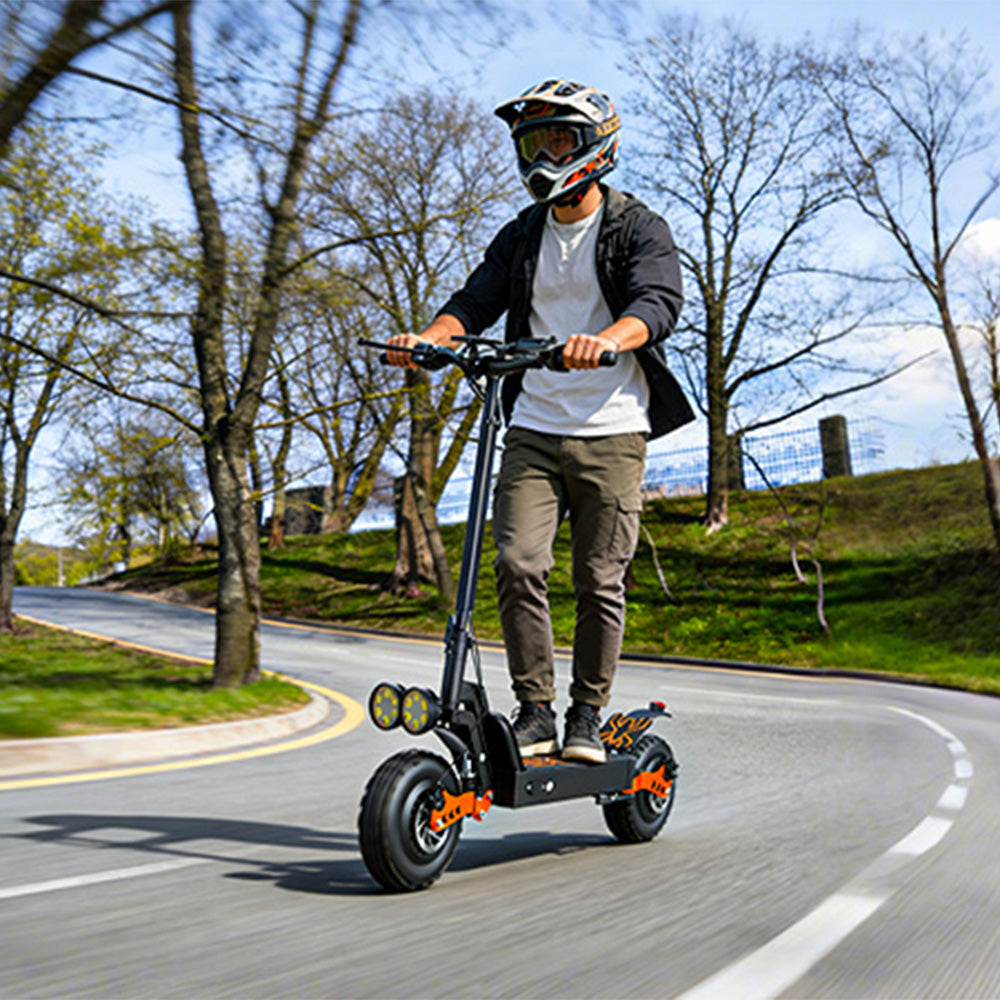
Electric scooters are safe for most adults when ridden responsibly, with the right gear, and within the rules of the road. But the data shows that a growing number of riders aren't doing those things, and the injury numbers reflect it.
Electric scooter injuries treated in US emergency rooms rose 80% between 2023 and 2024. Research suggests it's not that electric scooters are inherently dangerous. It's the behavior of their riders that keeps injury levels high. This is unfortunate, as most of the risk is avoidable as long as scooter riders take appropriate action, use common sense, and ride sensibly.
This guide covers the risks, who they affect most, and what you can do to ride safely.
How Risky Are Electric Scooters?
The risk is real, but most accidents that occur come down to two things: not wearing a helmet and riding under the influence. Studies have shown that electric scooter riders are less likely to wear helmets and more likely to drink alcohol before riding than other micromobility users. Head injuries accounted for over 18% of all e-scooter injuries in 2024, and most of those are preventable with a helmet. That's the most important number to pay attention to in this guide.
Electric scooter injuries rose by 45% each year from 2017 to 2022. The increase tracks closely with the growth in ridership, but also with the fact that helmet use hasn't grown at the same rate. An electric scooter ridden at 25 mph without a helmet by someone who has been drinking is a very different proposition from the same scooter ridden soberly with a properly fitted helmet. The scooter itself hasn't changed. The rider has.
What Are the Most Common Injuries?
Falls are the most common cause of scooter injuries, followed by collisions with other vehicles. Better braking technique and properly maintained brakes reduce avoidable incidents; see the electric scooter brakes guide. Over half of medical encounters for electric scooter riders involve injury to the extremities, wrists, arms, and ankles, and a third involve fractures. With this in mind, it's worth wearing wrist guards and knee pads, especially if you're new to scooting.
Head and neck injuries are less common but significantly more serious. Electric scooter injuries are more likely to involve bone fractures, paralysis, or major surgery than bike injuries. This is because the standing riding position raises your center of gravity above that of a bicycle, making falls harder. A seated scooter like the PostJoy K10 is a significantly safer option for riders who want extra stability.
Who Is Most at Risk?
Males account for around 67% of all electric scooter injuries, and young riders under 25 are known to take the most risks when riding. Children 14 and younger accounted for nearly one in seven electric scooter injuries in 2024, and seasonal data shows injuries spike significantly in summer when younger riders are out more.
The American Academy of Pediatrics recommends that children under 16 should not ride electric scooters at all. Higher speeds, heavier vehicles, and the lower likelihood of wearing protective gear all play a part, but the injury data is clear enough on its own.
For older riders, the main concern is fractures from falls. Adults over 40 recover more slowly and tend to sustain more serious injuries in falls than younger riders. If you're returning to powered vehicles after a long break, it's best to start on quieter roads and build experience before riding in traffic. A seated scooter also helps, since the lower center of gravity makes the whole riding experience more stable and forgiving.
How to Ride an Electric Scooter Safely
It's important that you wear a helmet every time you ride. Not just on longer trips or when the conditions seem risky. “Much of this danger is avoidable,” according to a 2025 report from ERideHero, which noted that wearing a helmet is not currently the norm for electric scooter riders, and that needs to change. A correctly fitted helmet reduces the severity of head injuries. It can be the difference between a fall you walk away from and one you don't.
Don't ride under the influence. This should go without saying, but the data shows it's a bigger problem for electric scooter riders than for other vehicle users. Alcohol impairs balance, reaction time, and judgment, while making you feel braver, encouraging you to take more risks. You need to ride safely, and at 25 mph, the consequences of getting that wrong are serious. Follow the step-by-step beginner instructions in how to ride an electric scooter safely.
Before you take the scooter onto busy roads, find somewhere quiet and practice hard braking from your normal riding speed. Most riders never do this until they need it urgently. Braking distances vary depending on speed, surface, weather conditions, and whether you have front and rear brakes or just one. Every scooter is different.
Keep the scooter in good condition and check it before you ride. Underinflated tires and unresponsive brakes can make your rides incredibly dangerous. At night, you should always use front and rear lights and wear something reflective. Electric scooters are low and quiet, and a lot of the collision injuries in the data involve riders who were simply not visible to other road users.
Are Electric Scooters Safe for Commuting?
Yes, for most adults on appropriate roads. Millions of people use electric scooters for commuting every day without any problems. You can manage the risk if you take basic precautions.
A familiar route at moderate speed on a well-maintained scooter is a very different risk profile from an unfamiliar scooter ridden fast in heavy traffic. You can stay safer by sticking to cycle paths and quieter roads where possible. Riding on the pavement is illegal in most US states and puts pedestrians at risk. And if you're new to electric scooters, give yourself a week of low-pressure riding before you take it on your main commute route. Choosing a scooter matched to the route is also important, as covered in the guide to the best commuter electric scooter. You will become confident quickly, and the early rides are when most new riders get into trouble.
PostJoy Electric Scooters
PostJoy's electric scooter range is built for daily use in real conditions.
 The PostJoy GT28 has a 3000W peak dual-motor system, dual-disc brakes, and front and rear suspension. At 35 mph, you need an excellent braking system. The PostJoy GT28 has a dual-disc system that delivers consistent, powerful stopping power. The 11x2.5-inch fat tires provide more traction on wet roads and uneven surfaces than standard narrow tires, which helps when conditions are not ideal. NFC unlocking means you don't have to fumble with your phone to get going.
 The PostJoy K10 is the more practical everyday option. At $399.99, the 1000W peak motor and 25 mph top speed make it a manageable, safe daily commuter. The included seat lowers your center of gravity, which makes it more stable than a standing scooter for longer rides. It also has dual suspension and 14x2.2-inch pneumatic tires. Together, these make the ride comfortable and stable on urban roads. This electric scooter is the better choice if you prefer a safer and more practical scooter than a high-performance one. It also has a rear basket for shopping and errands that most scooters at this price don't offer.
Final Thoughts
Electric scooters are safe when used responsibly. Most serious injuries are linked to not wearing a helmet, riding under the influence, or riding in conditions that don't match the rider's experience. Those are all fixable.
Wear a helmet. Don't drink and ride. Know your brakes. Those three things are the most important things to remember to stay safe when riding your electric scooter.
Browse the full PostJoy electric scooter range to find the right model for your commute. PostJoy also offers electric bikes and moped style ebikes if a pedal-assisted alternative suits you better. Safe use also depends on where riding is permitted, so confirm your local electric scooter legal requirements.
FAQ
Are electric scooters dangerous? Riding electric scooters can be risky. Things get more dangerous at higher speeds. But most serious injuries come from avoidable behaviors like not wearing a helmet or riding under the influence. When you ride an electric scooter responsibly, it can be a safe and practical form of transport for most adults.
Do I need to wear a helmet on an electric scooter? Legally, it depends on your state, but from a safety perspective, you should always wear a helmet when riding an electric scooter. Head injuries account for a large proportion of serious electric scooter injuries, and a helmet reduces that risk significantly.
Are electric scooters safe for kids? The American Academy of Pediatrics recommends that children under 16 years old not ride electric scooters. Injury rates among under-14s are disproportionately high, and the vehicles are simply not designed for young children.
What is the safest way to ride an electric scooter? Wear a helmet, don't ride under the influence, stick to appropriate roads, and keep the scooter in good condition. You should also ride at a speed that gives you time to react and stop safely.
Are electric scooters safe for seniors? With the right precautions, yes. An electric scooter with a seat, like the PostJoy K10, is more stable than one you have to stand up on. If you ride at moderate speeds on familiar routes and build experience gradually, you can stay safe.
Share:
Are Electric Scooters Waterproof?
Are Electric Scooters Street Legal? (US, Canada, and EU Rules Explained)